After two days of outflows, US Bitcoin funds recorded a net inflow of €143.6 million. While sentiment for the largest cryptocurrency has improved significantly, Ethereum, XRP, and Solana continue to suffer losses. These differing developments show a clear preference among institutional investors for Bitcoin in uncertain market phases.
Bitcoin ETFs break negative streak
The turnaround came as a surprise: on Monday, €143.6 million flowed into US Bitcoin funds, after nearly €500 million had been withdrawn at the end of last week. These exchange-traded funds allow investors to invest in Bitcoin without having to buy and store the cryptocurrency directly. Institutional investors in particular are taking advantage of this regulated access to the crypto market.
The leading Bitcoin ETFs, such as BlackRock’s iShares Bitcoin Trust (IBIT) and the Fidelity Wise Origin Bitcoin Fund (FBTC), recorded the strongest inflows. BlackRock’s IBIT alone raised over €80 million, underscoring the continued dominance of the world’s largest asset manager in the Bitcoin ETF segment. Since their launch in January, these products have already accumulated over €50 billion in assets.
Ethereum and altcoins under selling pressure
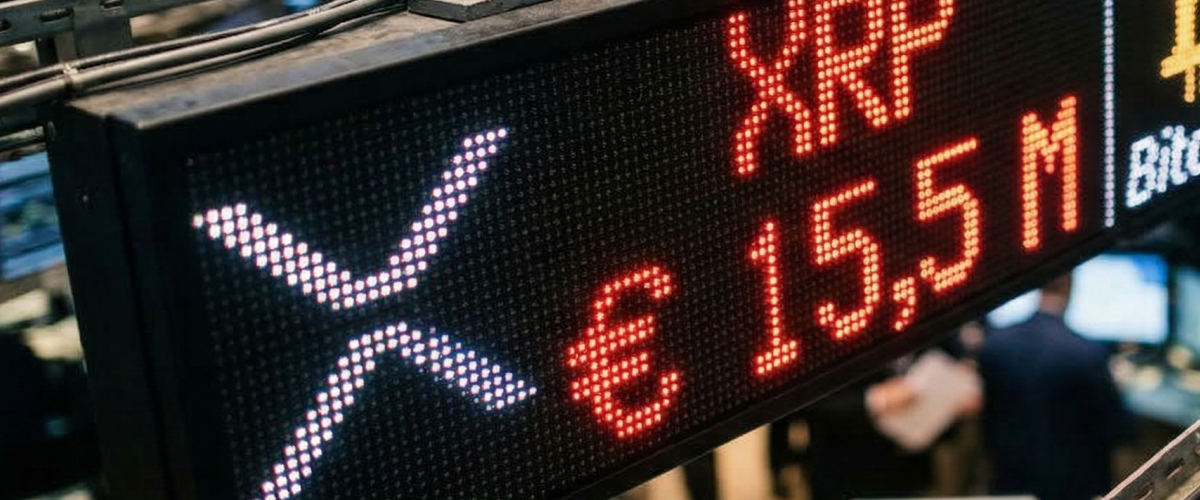
While Bitcoin is regaining confidence, other major cryptocurrencies remain under pressure. Ethereum funds lost over €44 million, while Solana products lost €2.15 million. The development of XRP has been particularly dramatic, with investors withdrawing €15.5 million. In total, outflows from these three altcoins amounted to over €240 million in just three days.
This development reflects the differing risk perceptions of institutional investors. While Bitcoin is established as “digital gold” and a store of value, altcoins are considered more speculative. Regulatory uncertainty, particularly for Ethereum-based DeFi protocols and XRP due to ongoing SEC proceedings, further reinforces this caution.
XRP funds show continued weakness
The development of XRP illustrates the volatility of the crypto market. While millions were still flowing in daily at the beginning of March, the trend has reversed since March 5:
- March 9: -€15.57 million
- March 6: -€14.29 million
- March 5: -5.29 million euros
- March 4: +3.60 million euros
This development suggests that institutional investors are acting more cautiously with altcoins and focusing on established assets such as Bitcoin. XRP is also subject to legal uncertainties, as the proceedings between Ripple Labs and the US Securities and Exchange Commission (SEC) have not yet been fully concluded.
Market dynamics and institutional preferences
The different capital flows highlight an important market dynamic: in times of increased volatility, institutional capital prefers to flow into Bitcoin as the most established cryptocurrency. This “flight to quality” movement is typical of uncertain market phases and demonstrates Bitcoin’s growing role as a crisis currency in the digital asset space.
Analysts see this development as a natural sign of market maturity. While Bitcoin is consolidating its position as the leading currency, altcoins have yet to prove that they deserve institutional trust in the long term. The correlation between traditional markets and cryptocurrencies remains a decisive factor in this regard.
Geopolitical détente supports risk appetite
The change in sentiment toward Bitcoin correlates with a general calming of global markets. Falling oil prices and easing geopolitical tensions are increasing investors’ risk appetite. Bitcoin approached the €61,000 mark again, while Ethereum, Solana, and XRP also gained ground. This development shows how strongly cryptocurrencies are still influenced by macroeconomic factors.
The easing of tensions on the commodity markets, particularly for oil and gold, signals a normalization of risk premiums. This favors riskier assets such as cryptocurrencies, with Bitcoin, as the most established digital currency, benefiting the most.
Trading bots are gaining popularity in Europe
Parallel to institutional movements, private investors are showing growing interest in automated trading solutions. In the Netherlands and Belgium, more and more traders are using crypto trading bots that react independently to price movements. Platforms such as OKX offer these services at no additional cost, with some strategies achieving returns of up to 75 percent on XRP in recent weeks.
These automation trends reflect the increasing professionalization of crypto trading. Algorithmic trading, which has long been standard in traditional markets, is now also establishing itself in the retail crypto sector. The systems use technical indicators, market sentiment analyses, and even social media trends to make trading decisions.
Outlook and market development
The different capital flows clearly show that while Bitcoin is consolidating its role as a crisis currency as digital gold, altcoins have yet to prove that they deserve the trust of institutional investors even in volatile phases. The automation of trading could help reduce emotional decisions and promote more systematic investment approaches.
Experts expect the divergence between Bitcoin and altcoins to remain in the short term. In the long term, however, broader institutional acceptance could also benefit other cryptocurrencies, especially if regulatory clarity is achieved and the market infrastructure continues to mature.