
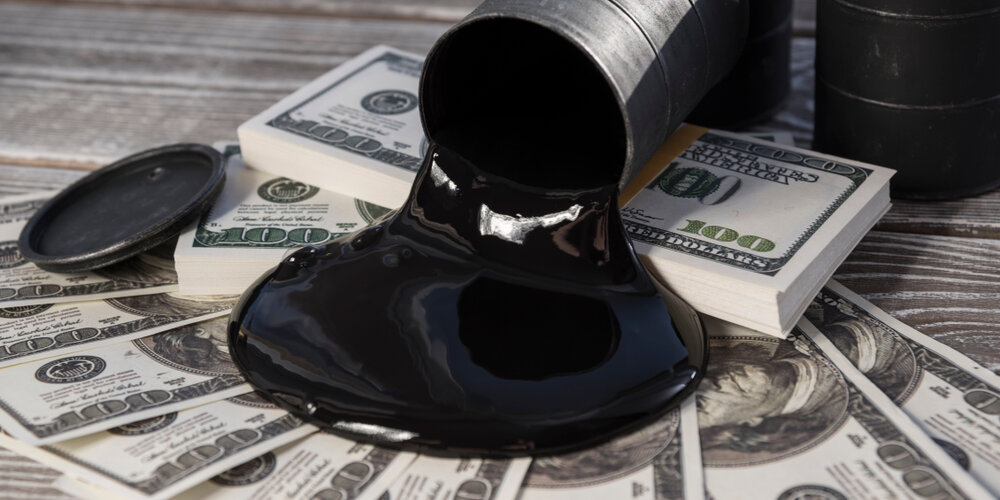
Middle East tensions have triggered a sharp surge in European fuel prices, with Euro95 gasoline jumping to approximately €2.35 per liter—a 16% increase within just one month. The escalating costs stem from geopolitical instability near the Strait of Hormuz, a critical chokepoint for global oil shipments that directly impacts domestic energy markets across Europe.
Strait of Hormuz Disruptions Fuel Price Volatility
The Strait of Hormuz serves as a vital artery for global energy trade, with roughly 20% of worldwide oil shipments passing through this narrow waterway. Even minor disruptions in this region create immediate ripple effects across international markets. Current tensions have already pushed oil prices higher, translating directly into increased costs at European fuel stations.
Financial analysts warn that prices could escalate further if supply chain disruptions intensify. Some projections suggest fuel costs might reach €3 per liter under worst-case scenarios, representing a potential doubling of transportation expenses for consumers and businesses alike. The strategic importance of this 21-mile-wide waterway cannot be overstated, as it connects the Persian Gulf with the Gulf of Oman and serves as the primary export route for oil-producing nations in the region.
Economic Impact Beyond the Fuel Pump
Rising energy costs extend far beyond individual drivers, creating cascading effects throughout the broader economy. Monthly energy contract costs have already surpassed €400 for many households, while inflation rates climb above 4%. These increases strain household budgets and potentially delay economic recovery until around 2028.
The transportation sector faces particularly acute challenges, as higher fuel costs directly impact logistics companies and manufacturers. Shipping delays and extended routing around potential conflict zones add weeks to delivery schedules, demonstrating the interconnected nature of energy security and global trade networks. Commercial airlines are already implementing fuel surcharges, while freight companies are passing increased operational costs onto consumers through higher shipping rates.
Multiple Scenario Projections for Energy Markets
Economic analysts have developed several scenarios based on different conflict intensities and durations. Under a moderate disruption scenario, fuel prices might stabilize near €2.25 per liter, with new energy contracts averaging €240-€250 monthly during spring months.
A more severe but contained scenario involves temporary Strait of Hormuz closures, potentially driving fuel costs to €2.50 per liter and household energy contracts to approximately €300 monthly. Such disruptions would create significant supply chain strain across multiple industries. The most pessimistic forecasts consider prolonged regional conflicts that could maintain elevated prices for extended periods, fundamentally altering European energy consumption patterns.
Inflation Risks During Prolonged Instability
Extended geopolitical tensions could trigger inflation patterns similar to the 2022 energy crisis, when rising transport and production costs rapidly spread across consumer markets. However, economists suggest the current situation may prove more manageable than previous crises, given improved strategic planning and diversified supply sources.
Global cooperation and strategic petroleum reserves provide tools for managing price volatility. International diplomatic efforts could help stabilize markets, though the effectiveness depends heavily on conflict duration and severity. The interplay between supply disruptions, diplomatic interventions, and market responses will ultimately determine whether economies absorb or amplify these energy shocks.
Long-term Economic Recovery Implications
Current energy price increases threaten to slow European economic recovery, with households facing reduced disposable income due to higher transportation and heating costs. The combination of elevated fuel prices and increased energy contract expenses creates a dual burden on consumer spending power.
Manufacturing sectors face particular challenges as energy-intensive industries grapple with rising operational costs. These increases often translate into higher consumer prices, creating inflationary pressure that extends well beyond the energy sector itself.
The timeline for economic stabilization largely depends on geopolitical developments in the Middle East. While strategic reserves and international cooperation offer some protection against extreme price volatility, sustained tensions could extend the period of elevated energy costs well into 2028, fundamentally reshaping European energy consumption patterns and economic planning strategies across the continent.