
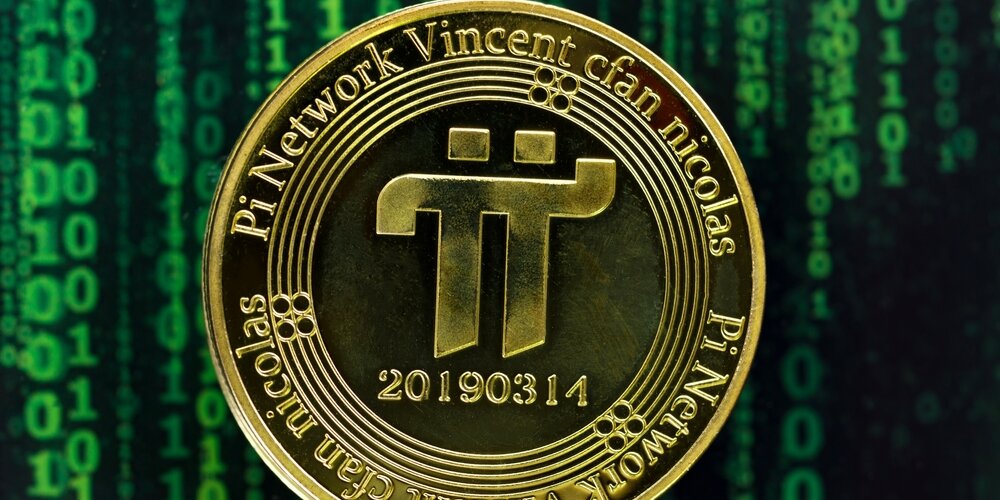
Pi Network experienced a dramatic 30% price decline within 24 hours of its debut on Kraken, one of the major U.S. cryptocurrency exchanges. The token plummeted from approximately $0.30 to a low of $0.21 on March 14, demonstrating how market dynamics can quickly reverse pre-launch momentum in the volatile cryptocurrency sector.
The listing on Kraken represented a significant milestone for Pi Network, which has been operating in a closed ecosystem for several years. Prior to this major exchange debut, the token was primarily traded on smaller platforms with limited liquidity, making the Kraken listing a crucial test of market sentiment and institutional interest.
Classic Sell-the-News Pattern Emerges
The sharp decline exemplifies a common cryptocurrency phenomenon known as “sell the news.” Leading up to the Kraken listing, Pi Network’s value had surged 104% from its February low as investors positioned themselves for the anticipated exchange debut. However, once the listing became reality, profit-taking dominated trading activity.
This pattern frequently occurs when traders buy rumors and speculation, then exit positions when the anticipated event materializes. The selling pressure created a cascading effect that erased recent gains within hours of the listing going live. Market analysts note that this behavior is particularly common with smaller-cap cryptocurrencies that experience sudden increases in trading volume and accessibility.
The pre-listing rally had attracted both retail and institutional attention, with trading volumes increasing significantly in the weeks leading up to the Kraken debut. However, the lack of sustained buying pressure following the listing exposed the speculative nature of much of the recent interest.
Technical Developments Continue Despite Price Volatility
Despite market turbulence, Pi Network’s development team maintains focus on technical improvements. The network is implementing version 20.2, an upgrade designed to enhance reliability and security infrastructure. This follows previous upgrades completed on February 21 and March 4, indicating consistent development progress.
The systematic approach to technical updates suggests the team prioritizes long-term stability over short-term price movements. These upgrades focus on improving network consensus mechanisms, enhancing transaction processing speeds, and strengthening security protocols against potential vulnerabilities. However, completion status of the latest upgrade remains unconfirmed by official sources.
Industry observers note that Pi Network’s continued development activity during market downturns demonstrates commitment to the project’s fundamental technology rather than purely speculative trading interests. This approach may help build long-term value despite short-term price volatility.
Controlled Token Supply Expansion Planned
Pi Network has scheduled two modest token releases that could influence market dynamics:
- March 17: 17 million tokens
- March 20: 16 million tokens
These releases represent a measured expansion strategy rather than aggressive supply inflation. The controlled approach may help maintain price stability over time, though immediate market impact depends on demand levels and investor sentiment following the recent decline. The timing of these releases, coming shortly after the price drop, will test the market’s ability to absorb additional supply without further downward pressure.
The token release schedule is part of Pi Network’s broader tokenomics strategy, which aims to balance ecosystem growth with price stability. Unlike many cryptocurrency projects that release large token quantities at once, Pi Network’s gradual approach reflects lessons learned from other projects that experienced severe price volatility due to sudden supply increases.
Broader Market Context and Exchange Expansion
Pi Network’s price drop coincides with broader challenges facing smaller cryptocurrencies, many of which have reached recent lows. The sector faces increased scrutiny and reduced speculative interest compared to previous bull market periods. Regulatory uncertainty and macroeconomic factors continue to weigh on cryptocurrency markets globally.
Meanwhile, Kraken continues geographic expansion, now offering services to users in the Netherlands and Belgium. New account holders in these regions receive complimentary Bitcoin through referral programs, indicating exchanges remain focused on user acquisition despite market headwinds. This expansion strategy suggests continued confidence in cryptocurrency adoption despite current market conditions.
Market Implications and Future Outlook
The 30% decline following Kraken listing raises questions about Pi Network’s market maturity and investor base composition. While exchange listings typically provide legitimacy and liquidity benefits, they also expose projects to broader market forces and professional trading strategies.
For Pi Network, the challenge lies in demonstrating utility beyond speculative trading. Technical upgrades and controlled token releases suggest development continues, but sustained price recovery will likely require increased adoption and real-world use cases. The project’s ability to weather this volatility may determine its long-term viability in an increasingly competitive cryptocurrency landscape.
Moving forward, market participants will closely monitor Pi Network’s ability to establish a stable trading range and build genuine utility that can support long-term value creation beyond initial exchange listing excitement.