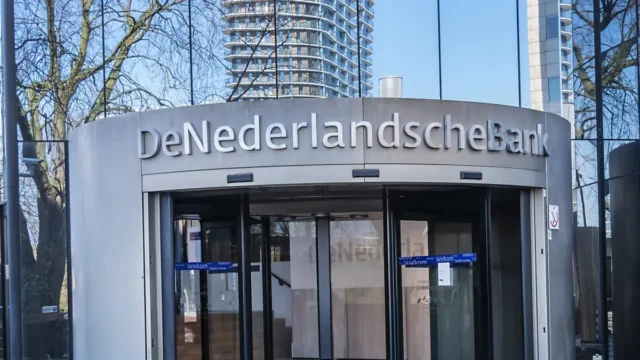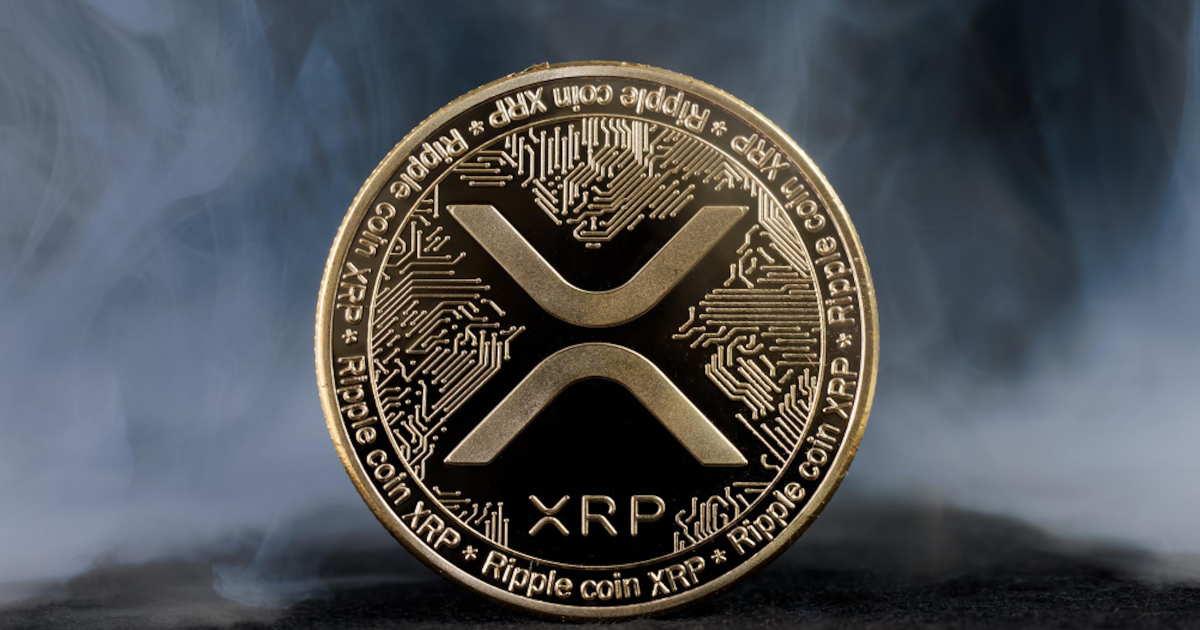

The European Central Bank is positioning itself for a significant blockchain integration in 2026, with developments that could directly impact XRP and distributed ledger technology adoption across European financial markets. The ECB’s strategic initiatives signal a fundamental shift toward tokenized finance infrastructure.
ECB’s Appia Roadmap Transforms European Finance
On March 11, 2026, the Eurosystem unveiled the Appia roadmap, a comprehensive framework designed to integrate distributed ledger technology into Europe’s financial backbone. This initiative aims to enhance transparency, accelerate settlement speeds, and create more interconnected markets through tokenization.
The roadmap establishes three core principles: converting financial assets into digital tokens, enabling transactions on unified platforms, and reducing intermediary dependencies. Central bank money remains the stability foundation, while smart contracts and blockchain systems provide the efficiency layer.
Pontes Infrastructure Enables DLT Settlement
The Eurosystem is developing Pontes, a specialized infrastructure scheduled for Q3 2026 launch that will settle DLT transactions using central bank money. This platform represents a bridge between traditional financial systems and blockchain technology, allowing institutions to trade digital assets within regulatory frameworks.
Pontes will provide standardized access for regulated institutions to engage with tokenized assets while maintaining monetary policy compliance. The infrastructure builds on extensive research and testing, ensuring seamless integration without disrupting existing financial stability mechanisms.
XRP Ledger Integration Gains ECB Attention
Recent ECB research has specifically examined the XRP Ledger for institutional finance applications, particularly testing Delivery versus Payment models for tokenized asset settlement. Starting March 30, 2026, the Eurosystem plans to accept DLT-issued assets as collateral through the T2S settlement platform.
This development marks a significant milestone for XRP’s institutional recognition within European financial systems. The ECB’s exploration of XRP Ledger capabilities suggests potential future integration scenarios that could enhance cross-border payment efficiency and liquidity optimization.
Market Implications for XRP Price Dynamics
The ECB’s blockchain initiatives could substantially influence XRP market sentiment and adoption rates. Institutional involvement from major central banks typically signals increased credibility and practical utility for blockchain networks, potentially driving long-term demand.
- Institutional adoption may increase trust and usage potential
- Central bank projects enhance long-term network relevance
- Tokenization trends could broaden XRP Ledger demand
Strategic Analysis: Why This Matters Now
The ECB’s 2026 blockchain strategy represents more than technological experimentation—it signals Europe’s commitment to maintaining financial competitiveness in an increasingly digital global economy. By integrating DLT infrastructure while preserving monetary stability, the ECB is creating a template for other central banks worldwide.
For XRP specifically, ECB recognition validates the network’s institutional-grade capabilities and positions it favorably for future European financial integration. This development could accelerate broader cryptocurrency adoption across traditional banking sectors.
The European Central Bank’s blockchain integration timeline for 2026 establishes a clear pathway for XRP and distributed ledger technology adoption in mainstream European finance. These strategic initiatives position both the ECB and XRP for significant roles in the evolving digital financial landscape.