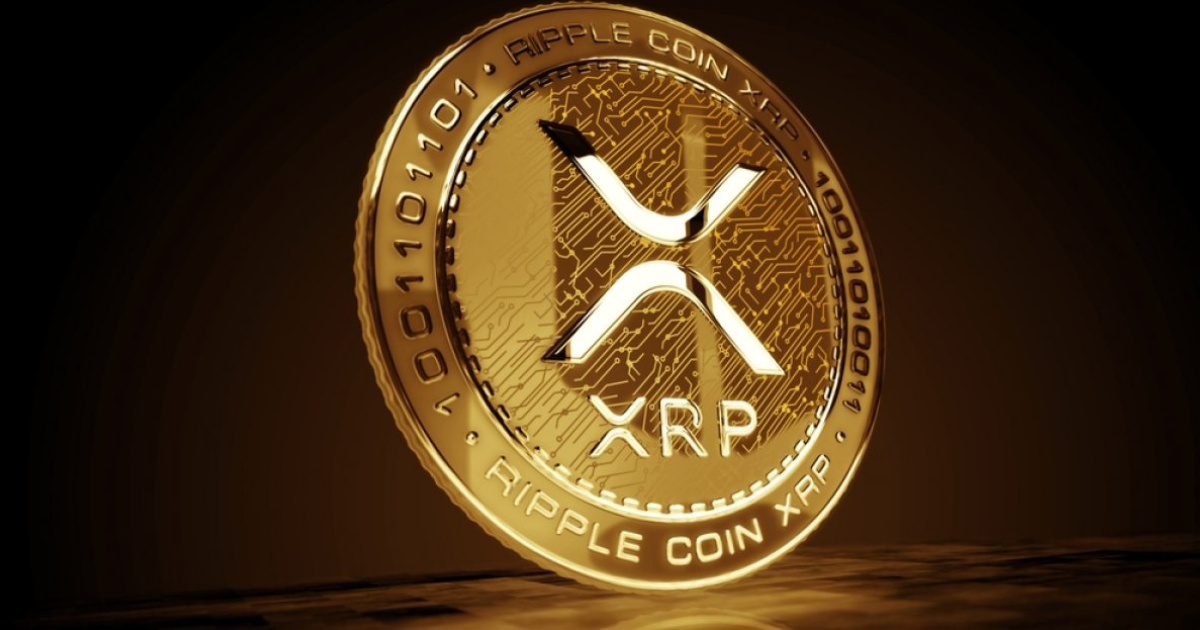
Ripple’s Chief Technology Officer David Schwartz has acknowledged the possibility of XRP crashing from $4 to as low as $0.20, highlighting the extreme volatility that continues to define cryptocurrency markets. His candid assessment comes as institutional interest in XRP reaches new heights, creating a complex dynamic between realistic expectations and growing adoption across traditional financial institutions.
Ripple CTO Refuses to Rule Out Major Price Correction
When asked directly about XRP potentially falling from $4 to $0.25-$0.31, Schwartz didn’t dodge the question. He pointed to historical precedent, noting that XRP previously surged to nearly $3 before collapsing to approximately $0.20. While he doesn’t expect a repeat performance, Schwartz emphasized that such dramatic corrections remain within the realm of possibility given the cryptocurrency market’s inherent unpredictability.
This honest assessment reflects the unpredictable nature of cryptocurrency markets, where extreme price movements have become commonplace over the past decade. Schwartz’s comments underscore that even company insiders recognize the speculative forces that drive token valuations beyond fundamental metrics, often disconnected from underlying technological developments or real-world adoption rates.
Historical Context Reveals Pattern of Extreme Volatility
XRP’s price history demonstrates the kind of dramatic swings Schwartz references throughout multiple market cycles. The token’s previous journey from $3 to $0.20 represents an approximate 93% decline, illustrating how quickly sentiment can shift in cryptocurrency markets driven by regulatory concerns, market manipulation, and speculative trading patterns that have characterized the digital asset space since its inception.
Schwartz also shared personal anecdotes about early cryptocurrency misjudgments, including selling 40,000 Ether at $1.05 each—a decision that cost him approximately $91 million based on current prices. These stories highlight how difficult it remains to predict long-term cryptocurrency valuations, even for industry veterans with deep technical knowledge and insider perspectives on blockchain technology development.
Institutional Investment Creates New Market Dynamics
Despite volatility concerns, XRP is experiencing significant institutional adoption that could fundamentally alter its price dynamics. Goldman Sachs reportedly holds approximately $150 million in XRP ETF shares, while total ETF inflows have surpassed $1 billion. This institutional participation represents a fundamental shift from retail-driven speculation toward professional investment strategies backed by sophisticated risk management frameworks.
The growing institutional presence suggests that severe price drops may face stronger support levels than in previous cycles. Professional investors typically employ risk management strategies that could provide price stability during market downturns, potentially reducing the likelihood of extreme corrections while introducing more predictable trading patterns based on fundamental analysis rather than pure speculation.
Cross-Border Payments Market Supports Long-Term Value
XRP’s utility in the $150 trillion annual cross-border payments market provides fundamental justification for its valuation beyond speculative trading activities. Ripple’s technology addresses real-world inefficiencies in international money transfers, creating genuine use cases that could support price stability over time while reducing dependency on speculative market sentiment that has historically driven cryptocurrency valuations.
This practical application differentiates XRP from purely speculative cryptocurrencies, though it doesn’t eliminate volatility risks inherent to digital assets. The gap between utility value and market price remains significant, leaving room for both dramatic appreciation and severe corrections depending on market sentiment, regulatory developments, and competitive pressures from emerging blockchain technologies.
Current Market Position Reflects Cautious Optimism
Trading near $1.50 with recent 6% daily gains, XRP demonstrates moderate upward momentum without the explosive growth that typically precedes major corrections in cryptocurrency markets. This measured appreciation may indicate more sustainable price action compared to previous speculative bubbles that characterized earlier market cycles, suggesting a maturing market structure with more sophisticated participants.
However, Schwartz’s warnings serve as important reminders that cryptocurrency markets remain inherently unpredictable despite technological advances and growing institutional participation. Even with institutional backing and real-world utility applications, XRP faces the same volatility risks that affect all digital assets, including regulatory uncertainty and market manipulation concerns that continue to plague the broader cryptocurrency ecosystem.
The combination of growing institutional adoption and Ripple’s practical applications in global finance creates a more complex investment landscape than previous cycles. While extreme volatility remains possible, the evolving market structure may provide better support during potential downturns, making dramatic crashes less likely but not impossible as market maturation continues.