Brent crude oil prices have exploded past $119 per barrel following devastating attacks on major energy infrastructure in Iran and Qatar, creating a significant threat to European economic stability and global financial markets. This dramatic price surge represents the highest levels seen since the initial months of the Russia-Ukraine conflict, highlighting the fragile nature of global energy security.
Energy Infrastructure Attacks Trigger Global Supply Crisis
The assault on Qatar’s Ras Laffan facility—the world’s largest liquefied natural gas export hub—has sent shockwaves through global energy markets. This critical infrastructure handles nearly 20% of global LNG deliveries, making any disruption catastrophic for supply chains. European gas prices have surged alongside oil, as the continent depends heavily on Qatari LNG imports to meet its energy needs.
Simultaneously, attacks on Iranian oil facilities have further constrained global supply capacity. Iran’s contribution to global oil production, while reduced due to existing sanctions, remains significant enough that infrastructure damage creates additional supply pressure. The timing of these coordinated attacks suggests a deliberate strategy to maximize market disruption and geopolitical leverage.
The attacks represent more than temporary logistical challenges. Production facility damage creates long-term structural shortages that cannot be quickly resolved, unlike simple transportation delays. This fundamental shift from supply chain disruption to actual shortage threatens sustained price volatility. Industry experts estimate that full facility restoration could take several months, assuming no further escalation occurs.
European Economy Faces Mounting Pressure
Europe’s economic outlook has darkened considerably as energy costs spiral upward. The continent already struggled with competitiveness issues before these geopolitical tensions erupted, and rising energy prices now compound existing challenges. Manufacturing sectors, particularly energy-intensive industries like steel, aluminum, and chemicals, face immediate pressure from soaring input costs.
Key economic impacts include:
- Accelerating inflation pressure as higher energy costs flow through the economy
- Reduced monetary policy flexibility for central banks considering interest rate adjustments
- Weakening growth forecasts as production costs increase across industries
- Higher household and business energy expenses reducing disposable income
- Potential industrial production cuts as companies struggle with profitability
The situation mirrors the 2022 energy crisis, when soaring prices curtailed consumer spending and industrial activity across the eurozone. However, current reserves are lower than during the previous crisis, leaving European nations with fewer buffer options to manage supply disruptions.
Global Financial Markets Show Strain
Market volatility has intensified as investors grapple with supply uncertainty and geopolitical risks. The Strait of Hormuz, through which approximately 20% of global oil shipments pass, remains a critical vulnerability point that could amplify current disruptions. Any escalation affecting this strategic waterway could push oil prices even higher, potentially reaching levels not seen since the 2008 financial crisis.
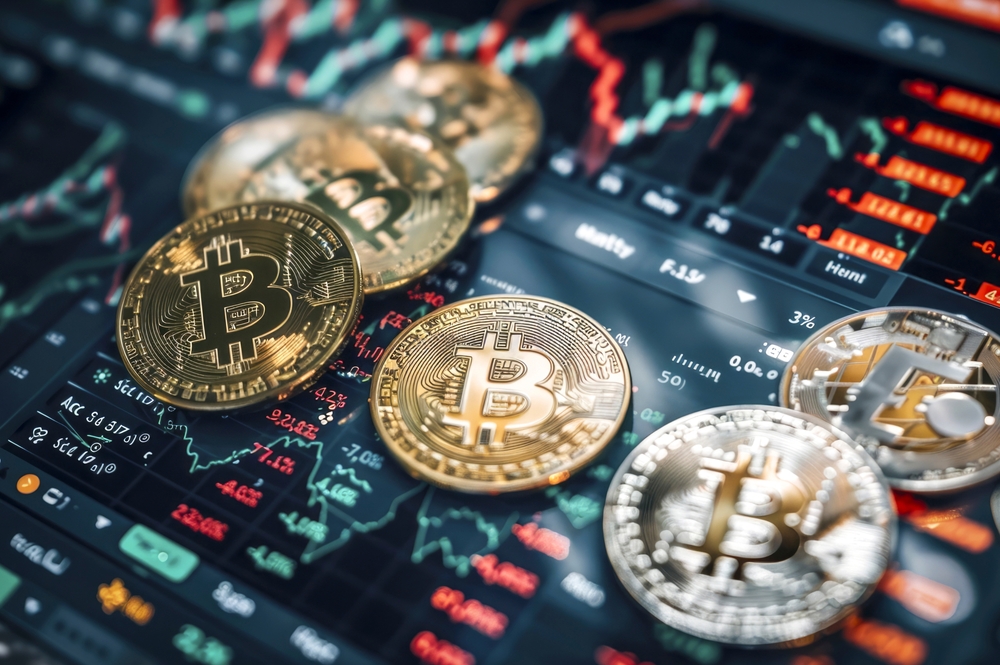
Financial stability concerns extend beyond traditional energy markets into digital assets and broader investment portfolios. Analyst warnings about potential sell-offs reflect growing investor anxiety about sustained market turbulence. Currency markets have also responded, with the US dollar strengthening as investors seek safe-haven assets, while oil-importing nations’ currencies face downward pressure.
Bitcoin and Cryptocurrency Market Response
Cryptocurrency markets typically react sensitively to macroeconomic shocks, and the current energy crisis presents mixed signals for digital assets. Higher oil prices often increase inflation expectations and drive investors toward traditional safe-haven assets like gold, potentially reducing short-term demand for Bitcoin.
However, if central banks respond with monetary easing to support economic growth, the resulting liquidity could eventually benefit Bitcoin as an alternative store of value. The cryptocurrency’s performance will likely depend on whether investors view it as a risk asset to avoid or an inflation hedge to embrace. Recent trading patterns suggest institutional investors are adopting a wait-and-see approach, with Bitcoin experiencing increased volatility but no clear directional trend.
Long-term Implications for Global Energy Security
These developments highlight fundamental vulnerabilities in global energy infrastructure and supply chains. The concentration of critical facilities in geopolitically unstable regions creates systemic risks that extend far beyond immediate price impacts. The attacks demonstrate how relatively small-scale operations can have outsized global consequences when targeting strategic infrastructure.
European policymakers face renewed pressure to accelerate energy diversification efforts and reduce dependence on volatile regions. The crisis underscores the strategic importance of energy security in maintaining economic competitiveness and political stability. Emergency meetings among EU energy ministers are expected to address immediate supply concerns and longer-term strategic planning.
The current energy price surge represents more than a temporary market disruption—it signals a potential shift toward sustained higher energy costs that could reshape global economic dynamics. For investors and policymakers alike, the challenge lies in navigating this uncertain landscape while building more resilient energy systems for the future. The crisis may accelerate renewable energy investments and strategic petroleum reserve policies worldwide.