Bitcoin continues to attract both institutional and retail investors while alternative cryptocurrencies face an unprecedented 80% decline in trading volumes. This dramatic market divergence reflects a fundamental shift in investor sentiment, as traders abandon speculative altcoins in favor of the established cryptocurrency leader amid global economic uncertainty and tightening monetary conditions.
Altcoin Trading Volumes Collapse Amid Market Uncertainty
The cryptocurrency market has witnessed a stark transformation in recent months, with altcoin trading volumes experiencing a catastrophic decline. On Binance, the world’s largest crypto exchange, daily turnover plummeted from approximately $40 billion to just $7.7 billion, representing an 80% decrease that signals a dramatic shift in market dynamics. Similar patterns have emerged across other major exchanges including Coinbase, Kraken, and OKX.
This collapse extends beyond trading volumes to broader market interest. Search data reveals declining queries for terms like “altcoins” and “cryptocurrencies,” indicating waning public enthusiasm for alternative digital assets. Social media engagement metrics for altcoin projects have similarly declined, with Twitter mentions and Reddit discussions dropping by over 60% compared to peak levels. The trend suggests investors are becoming increasingly selective about their cryptocurrency investments, moving away from the speculative behavior that characterized previous market cycles.
Monetary Policy Tightening Drives Flight to Quality
Central banks worldwide have maintained elevated interest rates to combat persistent inflation, creating a challenging environment for speculative investments. The Federal Reserve’s sustained hawkish stance, coupled with similar policies from the European Central Bank and Bank of England, has fundamentally altered the risk appetite of global investors. This monetary policy tightening has reduced the flow of easy capital into high-risk assets, forcing investors to reassess their cryptocurrency portfolios with greater scrutiny.
The impact is particularly pronounced in the altcoin sector, where projects with questionable fundamentals are struggling to maintain investor interest. Many traders are consolidating their positions into Bitcoin, viewing it as the safest harbor in the volatile cryptocurrency ecosystem. This consolidation has been accelerated by regulatory uncertainty surrounding many altcoin projects, particularly those classified as potential securities by various regulatory bodies.
Bitcoin Emerges as Preferred Safe Haven Asset
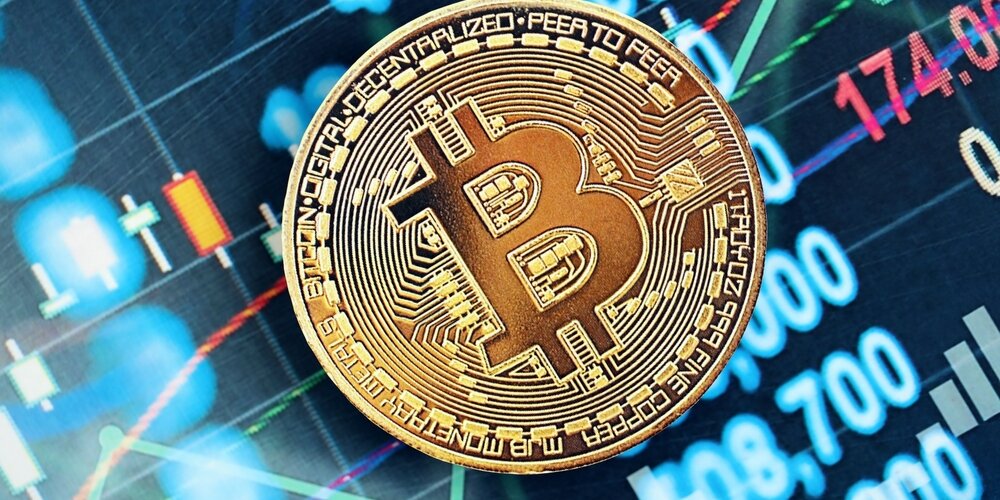
While altcoins struggle, Bitcoin has demonstrated remarkable resilience, maintaining relative price stability and continuing to attract investment flows. Both large institutional investors and retail traders are gravitating toward Bitcoin, recognizing its established track record and superior liquidity compared to smaller cryptocurrencies. Major corporations like MicroStrategy and Tesla continue to hold substantial Bitcoin positions, reinforcing its status as digital gold.
This flight to quality represents a maturation of the cryptocurrency market, where investors increasingly prioritize proven assets over speculative alternatives. Bitcoin’s dominance is reasserting itself as market participants seek refuge from the volatility plaguing smaller digital assets. The cryptocurrency’s market cap dominance has risen to over 50%, levels not seen since early 2021, highlighting this fundamental shift in investor preferences.
Selective Altcoin Opportunities Still Emerge
Despite the broader altcoin downturn, specific projects continue to capture investor attention when they demonstrate genuine utility and strong fundamentals. River’s recent 25% price surge to $24.40, driven by the introduction of a new staking feature, exemplifies how projects with real-world applications can still attract capital. Similarly, projects focusing on decentralized finance infrastructure and enterprise blockchain solutions have maintained relatively stable trading volumes.
Technical analysis suggests River faces key levels at $22 (support) and $28 (resistance), providing traders with clear parameters for risk management. This selective interest indicates that while the altcoin market has contracted, opportunities remain for projects that deliver tangible value propositions and demonstrate clear utility beyond speculative trading.
Market Analysis: Fundamental Shift in Investment Criteria
The current market environment represents more than a temporary correction—it signals a fundamental evolution in how investors evaluate cryptocurrency projects. The speculative fervor that characterized previous bull markets has given way to more rigorous due diligence focused on utility and credibility. Investors now demand clear revenue models, regulatory compliance, and demonstrable real-world adoption before committing capital.
This shift benefits the overall cryptocurrency ecosystem by weeding out projects with weak fundamentals while rewarding those that provide genuine innovation. However, it also suggests that the broad-based altcoin rallies seen in 2021 may not return in the near term, as investors maintain heightened scrutiny of alternative projects. The era of meme coins and purely speculative tokens appears to be waning.
The cryptocurrency market’s current bifurcation between Bitcoin and altcoins reflects broader economic realities and evolving investor sophistication. While this presents challenges for speculative projects, it ultimately strengthens the foundation for sustainable long-term growth in the digital asset space, creating a more mature and stable market environment.