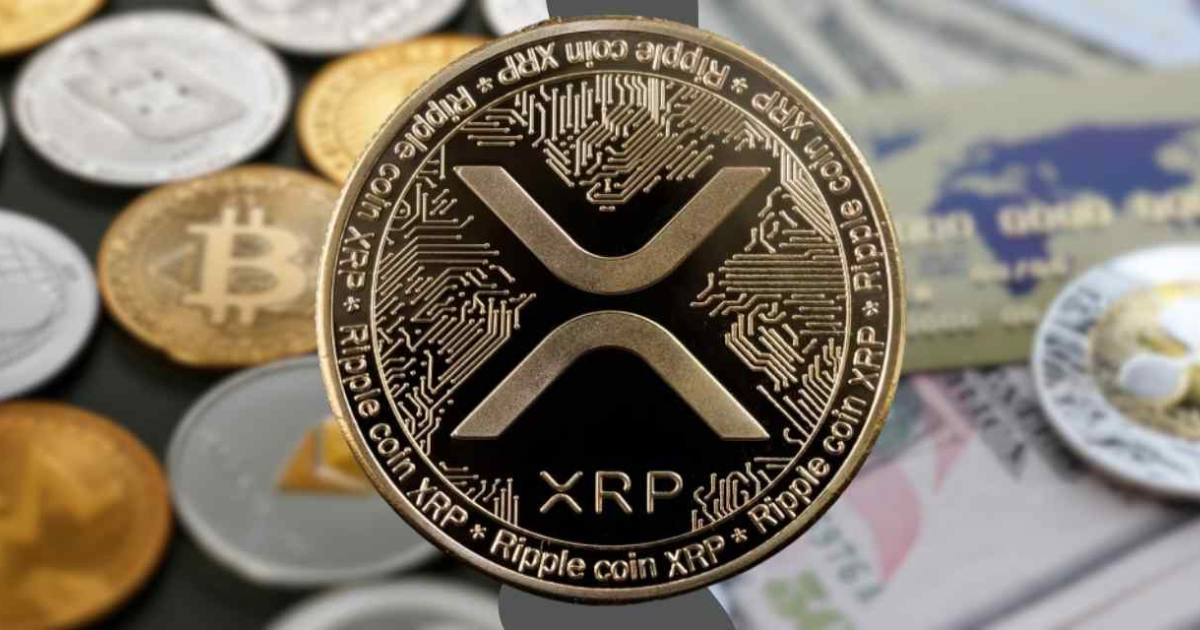

Liquid staking has emerged as a compelling strategy for cryptocurrency investors seeking to earn rewards without sacrificing asset flexibility. This innovative approach allows investors to stake their tokens while maintaining liquidity through derivative tokens that can be traded or used in decentralized finance applications.
Understanding Liquid Staking Mechanics
The liquid staking process begins when investors delegate their cryptocurrency assets to network validators. In return, they receive derivative tokens that represent their staked position. These liquid tokens maintain the value of the original staked assets while providing immediate tradability.
Unlike traditional staking, which locks assets for extended periods ranging from days to weeks depending on the blockchain, liquid staking eliminates the waiting period typically required for unstaking. This flexibility makes it particularly attractive for investors who want to participate in network validation while retaining the ability to respond to market opportunities quickly and efficiently.
Popular liquid staking protocols like Lido, Rocket Pool, and Frax operate across various blockchain networks including Ethereum, Solana, and Cosmos. Each protocol implements unique mechanisms for validator selection, reward distribution, and token management, creating diverse options for investors with different preferences and risk profiles.
Revenue Streams and Earning Potential
Liquid staking offers multiple income sources beyond basic staking rewards. Primary earnings come from network validation rewards, which vary based on the blockchain’s inflation rate and total staked supply. However, derivative tokens open additional earning opportunities through decentralized finance protocols.
Investors can use their liquid staking tokens in lending platforms, liquidity pools, or yield farming strategies. This composability creates the potential for enhanced returns, though it also introduces additional complexity and risk factors that require careful consideration. Advanced strategies may include providing liquidity for stablecoin pairs or participating in governance token farming programs.
The yield potential varies significantly across different networks and market conditions. Ethereum liquid staking typically offers annual percentage yields between 3-6%, while newer proof-of-stake networks may provide higher rewards to incentivize early participation and network security.
Risk Assessment and Security Considerations
While liquid staking presents attractive opportunities, several risk factors demand attention. Smart contract vulnerabilities represent a primary concern, as the underlying protocols may contain bugs or security flaws that could result in asset loss.
Token price fluctuations affect both the staked assets and their derivative counterparts. Market conditions can create situations where derivative tokens trade at a discount to their underlying assets, potentially impacting overall returns. Project reliability also plays a crucial role, as the success of liquid staking depends on the continued operation and security of the chosen protocol.
Validator performance risks also merit consideration, as poorly performing validators may face penalties or slashing events that reduce overall returns. Centralization concerns arise when liquid staking protocols control significant portions of network stake, potentially affecting blockchain decentralization and security.
Evaluating Protocol Security and Token Stability
Before participating in liquid staking, investors should thoroughly assess protocol security measures. Key factors include audit history, development team reputation, and the protocol’s track record in handling security incidents. Established protocols with multiple security audits generally present lower risk profiles.
Derivative token stability requires ongoing monitoring. The relationship between liquid tokens and their underlying assets should remain consistent, with minimal price deviations. Significant discrepancies may indicate liquidity issues or market confidence problems that could affect investment outcomes.
Insurance coverage and emergency procedures provide additional security layers. Some protocols offer insurance partnerships or emergency pause mechanisms that can protect user funds during critical situations or discovered vulnerabilities.
Portfolio Impact and Strategic Considerations
Liquid staking can enhance portfolio flexibility by allowing investors to earn staking rewards while maintaining market exposure. This approach suits investors seeking passive income without committing to long-term asset locks. However, the strategy works best when integrated thoughtfully into broader investment objectives.
Market conditions significantly influence liquid staking profitability. Network reward rates, token demand, and overall cryptocurrency market sentiment all impact returns. Investors should consider these factors alongside their risk tolerance and investment timeline when evaluating liquid staking opportunities.
Tax implications vary by jurisdiction and may affect the overall attractiveness of liquid staking strategies. Consulting with tax professionals helps ensure compliance and optimal strategy implementation across different regulatory environments.
Liquid staking represents a sophisticated evolution in cryptocurrency investment strategies, offering enhanced flexibility and multiple revenue streams. Success requires careful protocol selection, ongoing risk monitoring, and alignment with broader portfolio objectives. As the technology matures, liquid staking will likely become an increasingly important tool for crypto investors seeking optimized returns.