
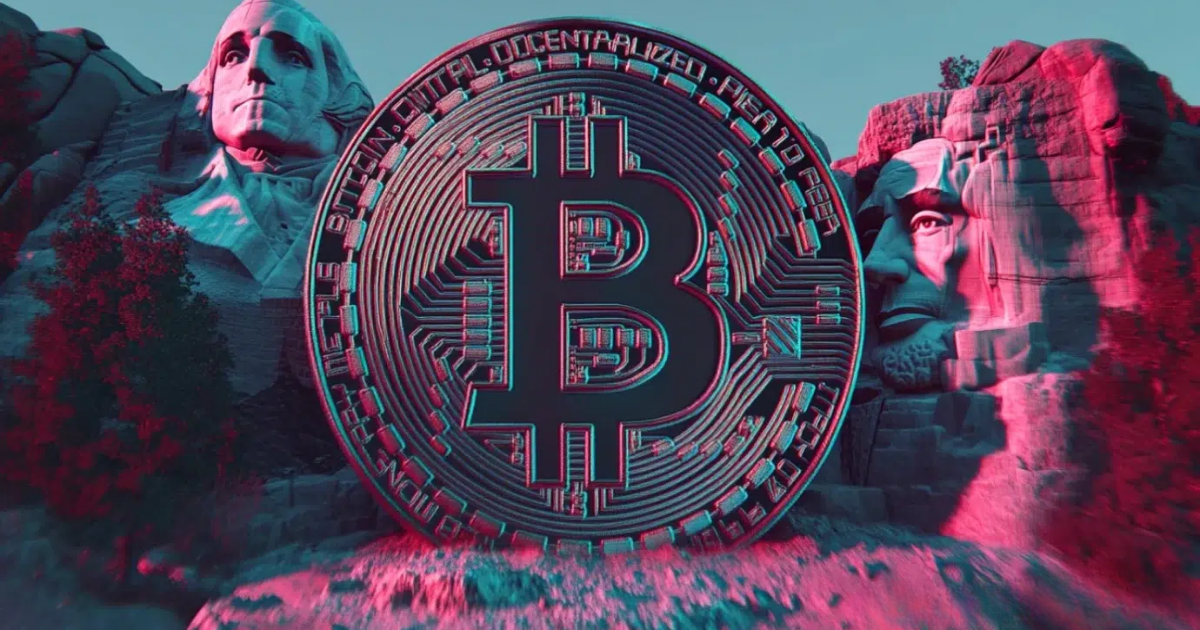
Bitcoin is no longer just a private-sector asset. It is now part of a serious policy debate about national reserves, sovereign diversification, and financial independence. But while interest is growing, most governments are still moving cautiously. The reason is simple: Bitcoin may offer political neutrality and long-term scarcity, but central banks still prioritize stability, liquidity, and low volatility above all else.
Governments are exploring crypto, but not rushing into Bitcoin reserves
The debate has intensified as more public institutions begin testing digital-asset exposure in some form. Kazakhstan’s central bank said this month it plans to invest up to 350 million dollars from reserves into crypto-related assets, though officials stressed the strategy is not centered on heavy direct purchases of cryptocurrencies themselves. That shows governments are becoming more open to the sector, but still prefer cautious, indirect exposure over a full Bitcoin reserve model.
Japan offers another example of this hesitation. The Bank of Japan announced it will experiment with blockchain-based settlement for reserves, but the focus is on improving payment and securities infrastructure with central bank money, not replacing reserves with Bitcoin. That distinction matters. States may like blockchain technology, but that does not mean they are ready to hold a volatile cryptoasset as a core reserve instrument.
Bitcoin still behaves too much like a risk asset
One of the main obstacles is market behavior. Bitcoin is often praised as an independent asset, and at times it does diverge from equities. But that relationship is unstable. Bloomberg reported on March 6 that Bitcoin’s 30-day correlation with the S&P 500 had risen to 0.74, the highest level this year, showing that in periods of stress it can still trade very much like a high-risk macro asset.
That matters because reserve assets are supposed to provide reliability during crises, not amplify volatility. S&P Global said this month that Bitcoin’s volatility is easing, but remains high. CME Group also noted that Bitcoin’s one-year realized volatility during much of 2025 was still around 30 to 40 percent. For a sovereign reserve manager, that is far above the tolerance usually associated with reserve currencies such as the dollar, euro, or yen.
Bitcoin does have qualities states find attractive
Even so, Bitcoin has features that make it hard for policymakers to ignore. It is politically neutral, globally transferable, and capped at 21 million coins. Deutsche Bank Research argued in 2025 that Bitcoin deserves discussion alongside gold in the future-of-reserves debate, precisely because it offers scarcity outside any one country’s monetary system.
That neutrality could matter most for countries that want to reduce dependence on the dollar system or hedge against sanctions risk. But even then, the path is more likely to begin with small allocations, seized assets, or indirect exposure rather than a wholesale reserve shift. Kazakhstan’s latest move fits that pattern.
Regulation and infrastructure are still not mature enough
Another reason states hesitate is operational risk. Reserve managers need secure custody, clear legal frameworks, and deep, dependable liquidity. Regulation is improving, especially in Europe under MiCA, but global rules are still fragmented. ESMA says MiCA creates uniform EU rules for crypto-assets, yet that is still a framework for markets and issuers, not a direct green light for central banks to adopt Bitcoin as a reserve asset.
Infrastructure is improving too. Deutsche Bank’s 2026 outlook said better custody solutions and ETFs are helping digital assets mature. But it also stressed that Bitcoin’s volatility remains an inherent feature even as it becomes more institutionalized. In other words, the market is becoming easier to access, but not necessarily stable enough for reserve management.
The reserve case is stronger politically than financially
That is the core tension. Bitcoin’s appeal as a sovereign reserve is strongest at the political level: neutrality, independence, and scarcity. Its weakness is financial: volatility, drawdowns, and inconsistent correlation behavior. ARK Invest noted in February that Bitcoin’s drawdowns have diminished over time and that no downswing from record highs in the current cycle had exceeded about 50 percent as of early February. That is progress, but a 50 percent drawdown is still far too large for most reserve portfolios.
For now, governments seem more willing to experiment around the edges of the digital-asset economy than to put Bitcoin at the center of national reserves. Bitcoin has clearly moved from fringe asset to strategic policy topic. But until volatility falls much further and reserve infrastructure matures, most states are likely to keep watching rather than buying aggressively.