
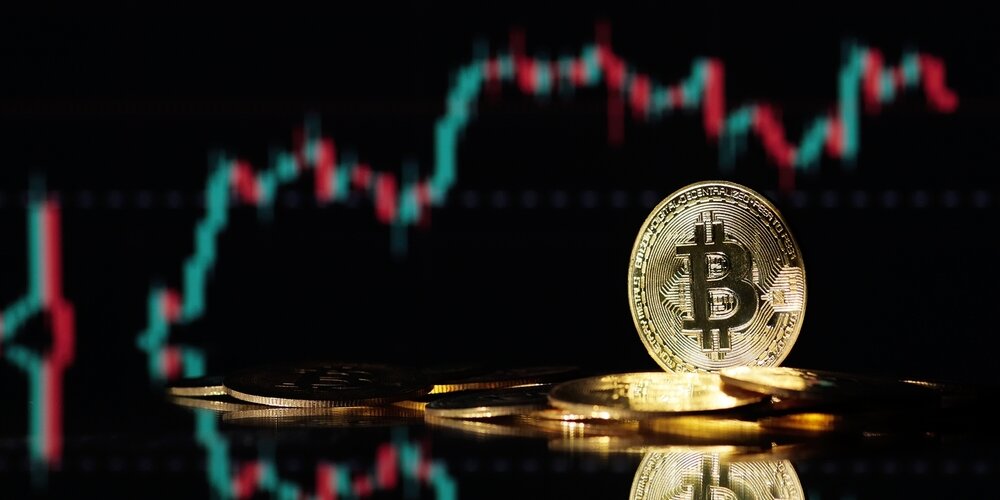
The crypto market is starting the week in cautious fashion. Bitcoin is holding near 67,000 dollars, while Ethereum is once again moving close to the 2,000-dollar level. After the sharp swings of recent weeks, the market now appears to be entering a quieter consolidation phase, with traders waiting for a stronger catalyst before making larger moves.
That hesitation reflects the broader mood across financial markets. Investors are still dealing with geopolitical tensions, rising energy costs, and growing concern over the strength of the global economy. For crypto, that has created a market that is not collapsing, but not yet confident enough to break higher either.
Rising energy prices and weak labor signals weigh on sentiment
One of the main pressures on investor confidence is the combination of higher oil prices and weaker economic data from the United States. Energy costs have climbed sharply, fueling concerns that inflation could remain stubbornly high. At the same time, softer labor market figures have added to fears that growth may be slowing faster than expected.
That combination is difficult for risk assets. Higher inflation raises the chance of tighter monetary policy, while weaker growth increases recession worries. Together, those forces create a nervous environment in which traders become more defensive and reduce risk exposure.
Crypto is not immune to that shift in mood. Bitcoin and other digital assets may no longer react as violently as they once did, but they are still highly sensitive to changes in macro sentiment, especially when institutional capital is involved.
Trading volumes remain muted despite modest gains
Although the largest cryptocurrencies have posted small gains, the overall tone remains subdued. Trading activity has stayed below recent averages, suggesting that many market participants are waiting rather than committing aggressively in either direction.
This kind of low-volume price action often signals indecision. Traders are watching the market closely, but few appear willing to make large directional bets until a stronger macro or technical signal emerges. That makes the current range feel fragile. A breakout can happen in either direction when volume is thin and conviction is low.
At the same time, subdued trading does not automatically mean weakness. It can also reflect a market that is digesting previous volatility and preparing for its next move.
Large holders are taking profits into strength
On-chain behavior points to an interesting divide inside the market. Larger Bitcoin holders appear to have used the recent recovery to lock in gains. After accumulating during lower price levels, some whale wallets have been reducing exposure into strength rather than chasing the rally further.
That pattern often suggests a more tactical approach. Institutional or high-net-worth investors may be using short-term rebounds to rebalance portfolios, reduce risk, or secure profits in an uncertain macro environment. It does not necessarily mean they have turned bearish on Bitcoin’s long-term outlook, but it does show a lack of urgency to keep adding at current levels.
This type of selling can act as a brake on momentum, especially when the broader market is already hesitant.
Retail investors remain more optimistic
While large holders appear more cautious, smaller investors continue to show confidence. Retail buyers are still steadily accumulating, especially through small recurring purchases. This has created a familiar divergence in crypto markets: bigger players selling into strength while smaller investors continue buying the dip.
That split matters because it often says something about market psychology. Institutions tend to respond more quickly to macroeconomic risks and short-term positioning, while retail investors are often more willing to stay committed to the broader long-term story.
The result is a market that feels balanced but uneasy. There is still demand underneath the surface, but not enough yet to create a decisive breakout.
Regulation remains another factor in the background
Alongside macro pressure, regulatory developments continue to shape sentiment. Investors are closely monitoring how major markets are handling crypto legislation, licensing, and compliance. Clearer rules could improve confidence and attract more institutional participation, but uncertainty still keeps many larger players cautious.
This does not dominate the market every day, but it remains part of the bigger picture. In a phase where conviction is already limited, regulation can easily become an additional reason for investors to wait.
Historical patterns suggest consolidation may not last forever
The current setup of profit-taking by whales and steady retail accumulation has often appeared before larger market moves. In some cases it leads to a short-term correction, especially when macro conditions remain difficult. In others, it becomes the foundation for a stronger breakout once sellers are exhausted.
That is why the current range feels so important. Bitcoin is holding up, but it is also not yet escaping the pressure from global uncertainty. The market is effectively pausing, with both bulls and bears waiting for a clearer signal.
Bitcoin remains at a critical level
Bitcoin now finds itself at an important crossroads. The long-term case for digital assets has not disappeared, but the short-term backdrop remains complicated. Geopolitical risk, inflation concerns, softer economic data, and cautious institutional behavior are all limiting momentum.
For now, the market looks locked in a holding pattern. If broader conditions improve and Bitcoin can reclaim stronger upside momentum, the current consolidation could be remembered as a healthy pause before another leg higher. If uncertainty deepens, however, this quiet stretch may give way to a sharper correction.
The next few weeks will likely decide which path the market takes.