
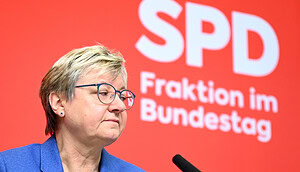
Germany’s Social Democratic Party (SPD) is advocating for significant Bitcoin tax reform that would treat cryptocurrency profits like traditional capital gains. While current tax-free holding periods remain unchanged, the proposal signals a shift toward standardized digital asset taxation across the DACH region.
SPD’s Vision for Cryptocurrency Tax Equality
The SPD wants to eliminate the preferential treatment Bitcoin currently enjoys compared to traditional investments. Under existing German law, Bitcoin held for more than one year generates tax-free profits—a benefit also extended to precious metals, art, and foreign currencies.
Party officials argue this creates an unfair advantage for digital assets over conventional securities and bonds. Their proposal would classify crypto gains as capital income, subjecting them to the same taxation framework as dividends and interest payments. This approach aims to level the playing field between traditional and digital investments while generating additional revenue for public coffers.
The current system allows crypto investors to completely avoid taxation on profits from Bitcoin sales after the one-year holding period, unlike stock investors who must pay capital gains tax regardless of holding duration. This disparity has drawn criticism from traditional finance advocates who argue for tax code consistency.
Current Holding Period Rules Remain Intact
Despite widespread speculation, no immediate legislative changes threaten the one-year holding period for Bitcoin. Reports suggesting a compromise plan from the Christian Democratic Union (CDU) or Christian Social Union (CSU) have proven unfounded.
Olav Gutting from the Union parliamentary group confirmed this topic isn’t part of the current coalition agreement. He emphasized there’s no compelling reason to modify existing regulations, providing temporary relief for crypto investors concerned about sudden policy shifts. The political reality suggests that any major tax reform would require extensive parliamentary debate and likely wouldn’t take effect before the next legislative session.
Potential Benefits for Crypto Investors
The SPD’s proposed framework could offer unexpected advantages despite higher tax obligations. If crypto gains fall under capital gains taxation, investors might offset losses against profits within the same income category—currently impossible under existing rules.
Financial spokesperson Frauke Heiligenstadt highlighted this potential benefit, suggesting the reform could create more sophisticated tax planning opportunities. This loss-offset mechanism mirrors treatment of traditional securities, potentially making crypto investing more attractive for portfolio diversification strategies.
Additionally, the standardized approach could simplify tax reporting for investors managing mixed portfolios of traditional and digital assets, reducing compliance complexity and associated accounting costs.
DACH Region Embraces Regulatory Clarity
The broader DACH region continues advancing crypto regulation with increasing coordination between Germany, Austria, and Switzerland. SwissBorg recently secured authorization under the EU’s Markets in Crypto-Assets (MiCA) framework through France’s financial regulator, enabling pan-European operations under unified oversight.
Meanwhile, Vienna reinforces its position as a digital asset hub. The upcoming Bluechip26 conference in November 2026 will focus on crypto safety, regulatory alignment, and stablecoin infrastructure—reflecting the region’s commitment to responsible innovation. These developments demonstrate how DACH countries are positioning themselves as leaders in balanced crypto regulation.
Traditional Finance Embraces Digital Assets
Investment platform Mintos exemplifies this integration trend by offering crypto exchange-traded products (ETPs) from providers like BlackRock iShares and VanEck. Through partnership with Berlin fintech Upvest, investors can access regulated crypto instruments within traditional investment accounts.
This development represents a significant shift toward mainstream crypto adoption, providing regulatory comfort while maintaining familiar investment interfaces. Major German banks are also exploring crypto custody services, recognizing growing client demand for digital asset exposure within traditional wealth management frameworks.
Market Implications and Future Outlook
The SPD’s tax reform proposal reflects growing governmental recognition of cryptocurrency’s permanent role in modern finance. While immediate changes seem unlikely, the discussion signals inevitable policy evolution as digital assets mature and institutional adoption accelerates.
For investors, this regulatory uncertainty creates both risk and opportunity. Those holding Bitcoin long-term may benefit from current tax advantages while they last, while others might prepare for eventual taxation changes by diversifying across regulated crypto products.
The DACH region’s measured approach—balancing innovation with regulatory oversight—positions it as a model for responsible crypto integration. As traditional finance increasingly embraces digital assets, investors gain more sophisticated tools for portfolio management while regulators work toward comprehensive frameworks that ensure market stability and investor protection.