
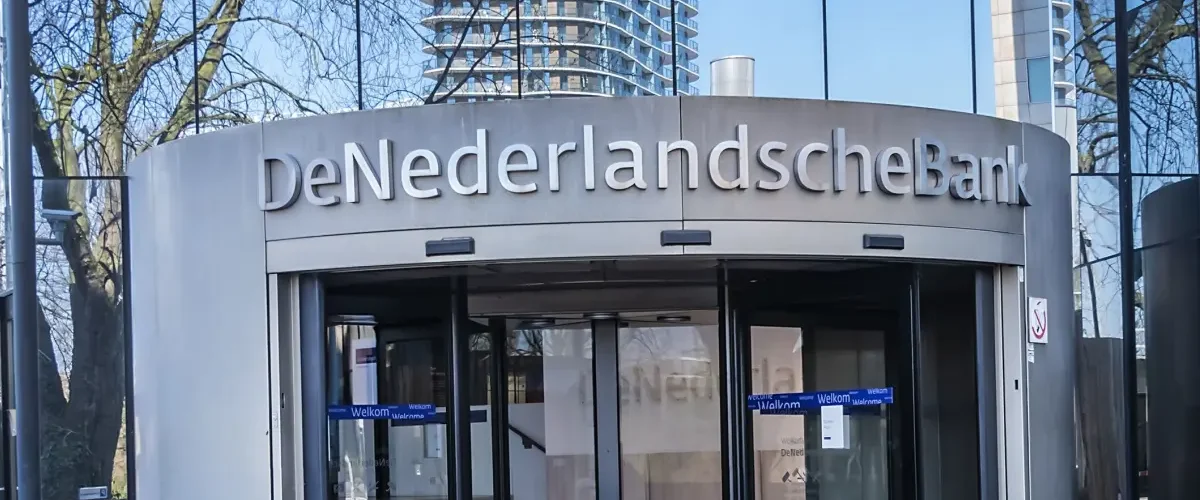
The Dutch central bank DNB is sounding the alarm: the digital payment system has significant security gaps, which are exacerbated by increasing cyber threats and dependence on foreign technology providers. Experts recommend that consumers stockpile cash for three days and diversify their bank accounts.
Cyber threats put pressure on payment infrastructure
The DNB’s warning is not without reason: cyberattacks on financial infrastructures are increasing significantly, while at the same time the use of cash is steadily declining. Particularly problematic is the heavy dependence on non-European technology platforms, which leaves national authorities with little control over critical payment systems. This strategic vulnerability is further exacerbated by geopolitical tensions.
Added to this is a new dimension of threat: deepfake technologies enable criminals to develop increasingly sophisticated scams. Traditional banking security mechanisms are reaching their limits in this area. According to recent studies by the European Banking Authority (EBA), financial institutions in Europe are exposed to an average of 300 cyberattacks per day, with the success rate of attackers steadily increasing.
Particularly worrying is the concentration of payment transactions among a few large providers. If one of these central hubs fails, entire economies can be paralyzed. The DNB points to incidents in other countries where even hourly outages have led to significant economic damage.
Practical recommendations for consumers and businesses
The DNB advises citizens to take specific precautions. Keeping a three-day supply of cash at home is no longer considered old-fashioned, but rather a sensible way to minimize risk. If digital payment systems fail, this ensures that you remain able to act. The central bank recommends a mix of smaller bills and coins in order to remain flexible even if there are problems with change.
Equally important is the diversification of bank accounts. Distributing your finances across several institutions reduces the risk of complete payment failure in the event of technical problems or cyberattacks on individual banks. Companies should also pursue this strategy to secure their liquidity. In addition, the DNB advises regular security updates for banking apps and the use of strong authentication methods.
For companies, the central bank recommends developing contingency plans that provide for alternative payment methods and communication channels. Smaller businesses should also consider whether they can switch to cash payments in the event of prolonged outages without completely ceasing their business activities.
Europe develops its own payment alternatives
In response to these dependencies, Europe is working on its own solutions. From 2026, the European payment app Wero is to be introduced in the Netherlands, positioning itself as a secure and fast alternative to American and Chinese services. The system is being developed by the European Payments Initiative (EPI), a consortium of 16 European banks.
At the same time, the European Central Bank is developing the digital euro. This government digital currency is also designed to work offline, providing a reliable backup option in the event of network failures. The ambitious project shows how seriously the authorities are taking the risks. The pilot phase is set to begin as early as 2025, with a particular focus on data protection and user-friendliness.
The introduction of European alternatives is also a response to the dominant market position of American payment service providers such as Visa and Mastercard, which together control over 90 percent of the European card payment market. This dependency is increasingly being classified as a strategic risk by regulatory authorities.
Cryptocurrencies as a decentralized alternative
Blockchain experts see decentralized cryptocurrencies as a solution to the structural problems of centralized systems. Bitcoin and other decentralized assets function without a central control authority and are therefore less susceptible to political intervention or individual technical failures. The Dutch Financial Markets Authority (AFM) recently revised its stance on cryptocurrencies and recognizes their potential as a complement to the traditional financial system.
The most important features of decentralized systems include autonomy without central administration, complete transparency of all transactions, and cryptographic security without reliance on institutions. They represent a serious option for users seeking independence from government systems. However, the DNB also warns of the risks of high volatility and regulatory uncertainties associated with cryptocurrencies.
Automated crypto trading is gaining popularity
At the same time, automated trading in cryptocurrencies is becoming established in the Netherlands and Belgium. Trading bots analyze market movements around the clock and execute transactions without users having to constantly monitor prices. The volatility of XRP in particular has recently attracted attention after regulatory clarifications in the US led to significant price movements.
These algorithmic tools democratize access to complex financial markets and enable private investors to benefit from automated trading strategies. The Dutch Financial Supervisory Authority is closely monitoring this development and is working on guidelines for the protection of small investors.
International cooperation is being strengthened
Given the cross-border nature of cyber threats, the DNB is stepping up its cooperation with international partners. Together with other European central banks, stress tests are being conducted on critical payment infrastructures and best practices for cyber defense are being developed. The exchange of information on new threats is also being intensified.
The DNB’s warnings highlight a dilemma of digital transformation: while convenience and efficiency are increasing, so is systemic vulnerability. The combination of traditional security measures such as cash reserves and innovative approaches such as decentralized currencies could be the key to a more resilient financial system.