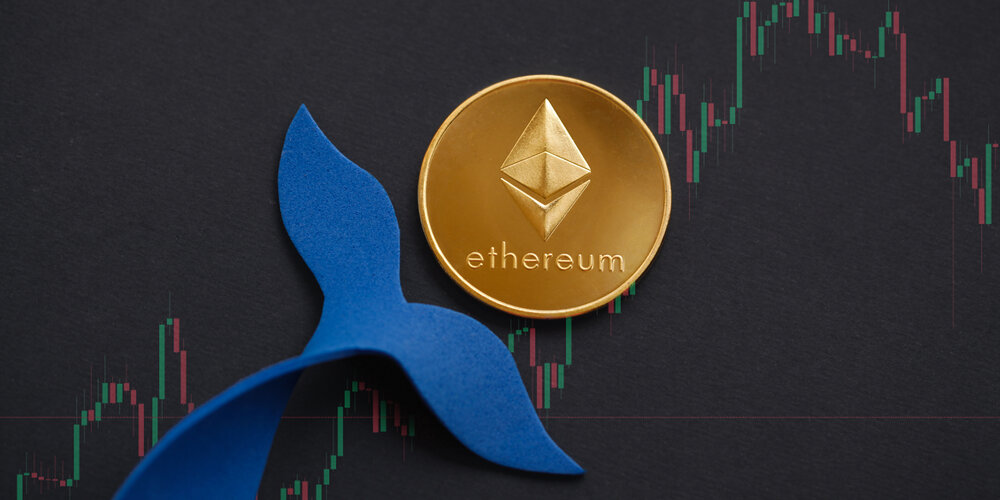
A prominent Ethereum whale has emerged from dormancy with a massive $19.5 million buying spree, signaling potential renewed confidence in the cryptocurrency despite its 56% decline from all-time highs. The investor, identified by the address thomasg.eth, deployed capital across direct Ether purchases, Wrapped Ether, and DeFi lending platform Aave over the past week.
Major Ethereum Whale Resumes Accumulation Strategy
The thomasg.eth wallet, which managed approximately $537 million in crypto assets during the 2021 bull market, has returned to active accumulation after an extended period of reduced activity. The investor’s latest transaction on March 20 added another $3 million worth of Ether to their holdings, demonstrating sustained commitment to the asset.
This accumulation pattern represents a significant shift from the whale’s previous dormant state. The diversified approach across multiple Ethereum-based assets suggests a sophisticated strategy rather than impulsive buying behavior. Historical data shows that whale accumulation often precedes significant price movements, making this activity particularly noteworthy for market observers.
The whale’s methodical approach to rebuilding their position indicates careful market timing and risk management. Rather than deploying all capital at once, the investor has spread purchases across multiple transactions, potentially seeking to minimize market impact while maximizing accumulation opportunities.
Institutional vs Individual Investor Behavior Diverges
Current market dynamics reveal a stark contrast between institutional and individual investor sentiment toward Ethereum. Institutional funds have recorded three consecutive days of net outflows from Ethereum ETFs, indicating defensive positioning among professional money managers.
Conversely, major individual holders are capitalizing on current price levels to expand their positions. This divergence creates an interesting dynamic where institutional caution meets individual opportunity-seeking behavior. The institutional retreat may reflect regulatory concerns, risk management protocols, or shifting portfolio allocation strategies among traditional financial institutions.
This behavioral split often occurs during market transitions, where different investor classes interpret market signals differently. While institutions may prioritize capital preservation during uncertain periods, individual whales with longer investment horizons may view current conditions as accumulation opportunities.
DeFi Integration Highlights Ethereum Utility
The whale’s decision to deploy funds through Aave demonstrates confidence in Ethereum’s decentralized finance ecosystem. By utilizing DeFi protocols alongside direct Ether purchases, the investor acknowledges both the speculative and utility value of the Ethereum network.
This multi-faceted approach suggests belief in Ethereum’s fundamental infrastructure rather than purely speculative positioning. The integration of lending protocols indicates expectation of sustained network activity and yield opportunities. Aave, as one of the leading DeFi protocols, offers sophisticated lending and borrowing mechanisms that generate yield while maintaining exposure to underlying assets.
The choice to engage with DeFi platforms also reflects confidence in smart contract security and protocol stability. Given the substantial capital involved, this decision indicates thorough due diligence and risk assessment of the DeFi ecosystem’s maturity.
Market Timing and Price Discovery Dynamics
With Ethereum trading approximately 56% below its all-time high, the whale’s accumulation occurs during a period many consider attractive for long-term positioning. The timing coincides with broader market uncertainty, where contrarian investors often find opportunity.
Additional players like Bitmine have also resumed Ethereum accumulation, suggesting this behavior extends beyond a single investor. This coordinated buying interest from major holders could indicate formation of a price floor or accumulation zone. Technical analysis suggests that sustained whale accumulation at current levels may provide crucial support for future price recovery.
The accumulation phase often precedes significant market movements, as large holders typically possess superior market intelligence and longer investment horizons. Their willingness to deploy substantial capital suggests conviction that current prices represent attractive entry points relative to future potential.
Network Fundamentals and Long-term Outlook
Beyond price considerations, Ethereum’s underlying network metrics continue to demonstrate robust activity. Daily transaction volumes, smart contract deployments, and developer activity remain strong indicators of ecosystem health. The whale’s investment timing may reflect analysis of these fundamental metrics rather than purely technical price patterns.
Ethereum’s transition to proof-of-stake consensus and ongoing scaling solutions development provide additional context for long-term investment thesis. These technological improvements potentially justify sustained confidence from sophisticated investors despite short-term price volatility.
Broader Market Implications and Context
The whale’s return to active investment represents more than individual portfolio management—it signals potential confidence in Ethereum’s long-term trajectory despite current market conditions. The strategic use of multiple acquisition methods demonstrates sophisticated understanding of the ecosystem’s various components.
For the broader market, this accumulation pattern from experienced investors provides a counternarrative to institutional caution. It suggests that fundamental believers in Ethereum’s technology and utility remain committed despite price volatility.
Whether this marks the beginning of sustained accumulation or represents opportunistic positioning remains unclear. However, the whale’s substantial capital deployment and strategic approach indicate serious conviction in Ethereum’s future prospects, potentially influencing other large holders’ decision-making processes and contributing to market sentiment stabilization.