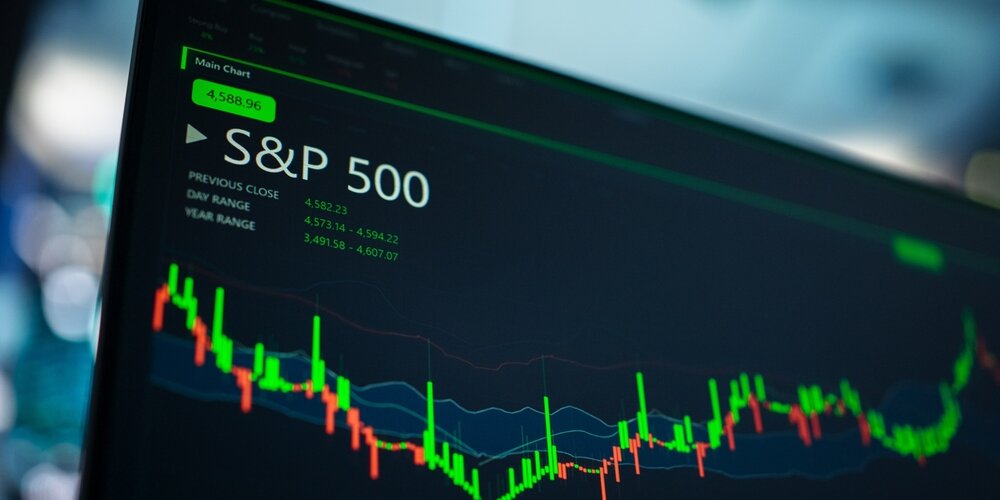
The S&P 500 perpetual futures have officially launched on the Hyperliquid decentralized exchange, marking a significant milestone in bridging traditional finance with blockchain technology. This development enables continuous trading of America’s most watched stock index through decentralized infrastructure, offering global access without traditional market hour restrictions.
Institutional-Grade Data Feeds Power Decentralized Trading
The new perpetual contract leverages verified institutional index feeds to maintain consistency with traditional S&P 500 benchmarks. This integration ensures that traders receive the same reliable data streams used by major financial institutions, but delivered through blockchain infrastructure. The system eliminates dependency on intermediaries while maintaining the accuracy standards expected in professional trading environments.
Market participants can now access S&P 500 exposure around the clock, removing geographical barriers and time zone limitations that typically constrain traditional markets. This represents a fundamental shift in how major market indices can be accessed and traded globally. The data integrity mechanisms employed ensure that price discovery remains accurate and reflects real-time market conditions across all trading sessions.
Hyperliquid Infrastructure Enables Continuous Market Access
The Hyperliquid platform provides the technical foundation for this decentralized perpetual futures offering. Built on blockchain architecture, the system supports continuous trading without the operational constraints of traditional exchanges. Users can execute trades, manage positions, and access liquidity at any time, creating a truly global trading environment.
The platform’s order book mechanism operates entirely on-chain, ensuring transparency and eliminating the black box nature of traditional market makers. This approach provides traders with complete visibility into market depth and execution quality, fostering greater trust in the trading process.
Key operational advantages include:
- 24/7 market availability across all time zones
- Direct blockchain settlement without clearing houses
- Transparent on-chain execution and position tracking
- Reduced counterparty risk through decentralized architecture
- Lower operational costs due to automated smart contract execution
Traditional Finance Meets DeFi Innovation
This launch represents more than just another trading product—it demonstrates how traditional financial benchmarks can successfully operate within decentralized systems. The S&P 500, representing approximately 80% of U.S. stock market capitalization, now becomes accessible through DeFi protocols, potentially attracting institutional participation in decentralized markets.
The integration maintains the familiar characteristics of S&P 500 exposure while introducing the benefits of blockchain-based trading. This hybrid approach could serve as a template for bringing other major indices and financial instruments into the decentralized ecosystem. The seamless integration of traditional market data with blockchain settlement creates a new paradigm for financial market access.
Market Implications and Accessibility Benefits
The availability of S&P 500 perpetual futures on a decentralized platform addresses several limitations of traditional markets. International traders no longer need to navigate complex regulatory frameworks or maintain relationships with multiple brokers to access U.S. equity index exposure. The blockchain-based infrastructure provides direct market access with transparent fee structures and settlement processes.
This development could significantly impact how global investors approach U.S. equity market exposure, particularly in regions where traditional access remains limited or expensive. The combination of familiar benchmark performance with innovative trading infrastructure creates new opportunities for portfolio diversification and risk management strategies.
Furthermore, the elimination of traditional banking hours and settlement delays means that traders can respond immediately to global events and market developments, regardless of their geographic location or the time of occurrence.
Future of Index Trading in Decentralized Markets
The successful launch of S&P 500 perpetual futures on Hyperliquid may catalyze broader adoption of major financial indices within DeFi protocols. As institutional data integration improves and regulatory clarity develops, we could see additional benchmark indices following this model. The precedent established here demonstrates that decentralized exchanges can handle sophisticated financial products while maintaining the reliability standards required for institutional participation.
This convergence of traditional finance and DeFi represents a significant step toward a more accessible and efficient global financial system. The S&P 500 perpetual futures on Hyperliquid offer a glimpse into how established financial instruments can evolve within decentralized infrastructure, potentially reshaping how investors worldwide access major market benchmarks and participate in global financial markets.