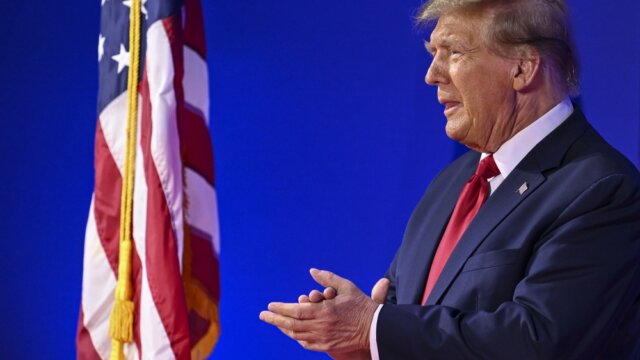
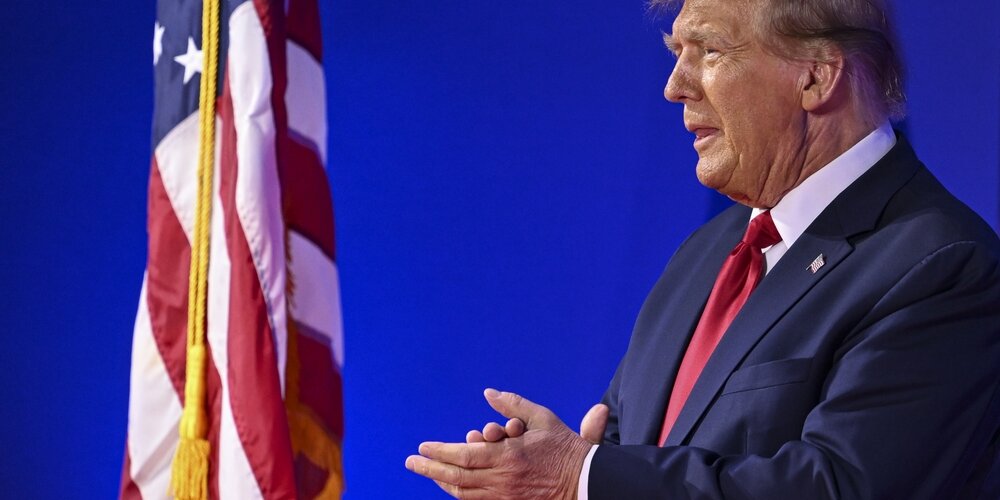
Donald Trump has intensified pressure on the Federal Reserve to cut interest rates immediately, arguing that lower rates would ease the burden of America’s $39 trillion national debt and stimulate economic growth. His demands come as markets overwhelmingly expect the Fed to maintain current rates, with analysts citing persistent inflation concerns and geopolitical tensions that continue to shape monetary policy decisions across global markets.
Trump’s Emergency Rate Cut Proposal
Trump has called for an emergency Federal Reserve meeting to implement immediate rate cuts, claiming that maintaining current rates with such high national debt levels is economically counterproductive. He argues that swift action would demonstrate confidence in the economy and provide necessary relief from mounting debt service costs, which now consume a significant portion of federal budget allocations. This latest intervention represents another chapter in Trump’s ongoing criticism of Fed Chair Jerome Powell, whom he has previously accused of acting too slowly and failing to serve American economic interests effectively. The former president’s public pressure campaign includes social media posts and public statements emphasizing the urgency of monetary policy adjustments to address what he characterizes as an impending fiscal crisis.
Historical Context of Political Fed Pressure
Trump’s current demands echo his previous presidency, when he frequently criticized the Federal Reserve’s monetary policy decisions and called for more aggressive rate cuts. During his tenure from 2017 to 2021, Trump repeatedly broke with presidential tradition by publicly commenting on Fed policy, arguing that higher rates disadvantaged American economic competitiveness. This pattern of political pressure on the traditionally independent central bank has raised concerns among economists about the potential erosion of institutional credibility and the importance of maintaining monetary policy independence from short-term political considerations.
Market Expectations Contradict Political Pressure
Financial markets paint a starkly different picture from Trump’s urgency. Market data shows a 99% probability that the Federal Reserve will maintain current interest rates at upcoming policy meetings. Traders and analysts cite several factors supporting rate stability, including inflation that remains above target levels at 2.4% in February and likely rising in March. The consensus reflects broader economic uncertainty and the Fed’s commitment to data-driven monetary policy rather than political influence. Bond markets have priced in this expectation, with Treasury yields remaining relatively stable despite the political rhetoric surrounding rate policy.
Inflation Concerns Limit Fed’s Options
Rising oil prices due to escalating tensions with Iran have created additional inflationary pressures across multiple sectors. Higher energy costs translate directly into increased expenses for transportation, food production, and manufacturing, making it difficult for the Federal Reserve to justify rate cuts. This inflationary environment constrains the Fed’s ability to accommodate political demands for looser monetary policy, as premature rate cuts could reignite price pressures that policymakers have worked to contain. Core inflation metrics, excluding volatile food and energy prices, continue to show persistence above the Fed’s 2% target, reinforcing the central bank’s cautious approach to monetary policy adjustments.
Debt Service Burden Analysis
The $39 trillion national debt represents a genuine fiscal challenge, with annual debt service costs now exceeding $1 trillion and consuming approximately 15% of federal revenues. Lower interest rates would indeed reduce these costs over time, as new debt issuance and refinancing operations would benefit from cheaper borrowing costs. However, economists warn that premature rate cuts could create inflationary spirals that ultimately increase long-term borrowing costs, potentially negating any short-term fiscal benefits. The Congressional Budget Office projects that debt service costs will continue rising regardless of near-term rate adjustments, highlighting the structural nature of America’s fiscal challenges.
Cryptocurrency Markets Await Policy Clarity
Digital asset markets typically benefit from lower interest rates, as cheaper borrowing costs encourage investment in higher-risk assets like cryptocurrencies. However, the current rate environment has kept crypto market sentiment cautious and volatility relatively constrained. Stable rates limit speculative investment flows that often drive cryptocurrency price movements, leaving the sector in a holding pattern until monetary policy direction becomes clearer. Bitcoin and other major cryptocurrencies have shown muted responses to Trump’s rate cut demands, reflecting market skepticism about the likelihood of immediate policy changes.
Economic Implications of Rate Policy Decisions
The tension between political pressure and economic fundamentals highlights the Federal Reserve’s independence challenge. Lower rates would indeed reduce government debt service costs, but could also undermine inflation-fighting efforts and economic stability. The Fed’s dual mandate of price stability and employment requires balancing these competing pressures while maintaining credibility in financial markets. Current economic indicators suggest that premature rate cuts could jeopardize hard-won progress against inflation, potentially requiring more aggressive tightening measures later.
Trump’s demands for immediate rate cuts reflect legitimate concerns about debt sustainability, but contradict current economic conditions that favor monetary policy patience. The Federal Reserve faces the delicate task of maintaining independence while addressing genuine economic challenges, with financial markets clearly expecting continued rate stability despite political pressure for change. The outcome of this tension will significantly influence both fiscal policy effectiveness and monetary policy credibility in the months ahead.