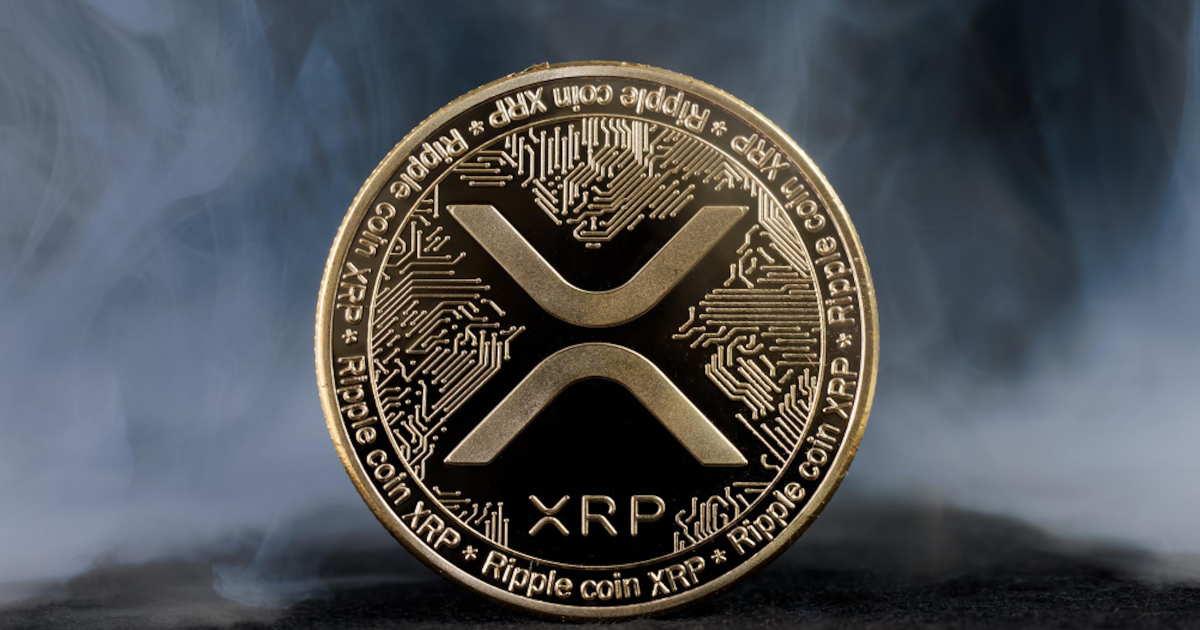
XRP faces mounting pressure as blockchain analytics reveal that approximately 60% of the token’s total supply is currently trading at a loss. This unprecedented situation has raised concerns among investors about market stability and the cryptocurrency’s future trajectory in an increasingly competitive digital asset landscape.
Massive Unrealized Losses Hit XRP Network
According to recent blockchain data, roughly 36.8 billion XRP tokens are now worth less than their original purchase price. This represents about 60% of XRP’s entire circulating supply, marking a new record for unrealized losses across the network. The metric tracks each token’s last transaction price against current market values, providing insight into overall investor sentiment.
The scale of these losses becomes clear when examining the numbers. With XRP currently trading around $1.39, the total unrealized loss amounts to approximately $50.8 billion. This dramatic shift reflects the token’s steep decline from its October peak of $2.85, when market conditions were significantly more favorable. The severity of this decline underscores the volatile nature of cryptocurrency markets and the challenges facing even established digital assets.
Blockchain analytics firms use sophisticated tracking methods to monitor these loss ratios, examining on-chain data to determine when tokens last moved and at what prices. This analysis provides valuable insights into market psychology and investor behavior patterns across different market cycles.
Trading Volume Signals Market Hesitation
XRP’s daily trading volume has dropped substantially below its 30-day average, with only about 27 million tokens changing hands per day. This reduced activity typically indicates market uncertainty, as both buyers and sellers adopt wait-and-see approaches.
Low trading volumes often precede significant price movements, though predicting the direction remains challenging. The current quiet period could signal either accumulation by institutional investors or continued selling pressure from discouraged holders. Market makers and liquidity providers have also reduced their activity, contributing to wider bid-ask spreads and increased price volatility during trading sessions.
Technical Analysis Points to Potential Bottom
Several market analysts suggest XRP may be approaching the final phase of its bear market cycle. Historical patterns show that the steepest declines and highest loss percentages often coincide with market bottoms, potentially indicating a recovery phase ahead.
The cryptocurrency’s volatility has decreased recently, which some technical analysts interpret as market stabilization. This sideways trading pattern, combined with reduced selling pressure, could create conditions for gradual price recovery if broader market sentiment improves. Key technical indicators such as the Relative Strength Index (RSI) and Moving Average Convergence Divergence (MACD) are showing signs of potential reversal patterns.
Broader Market Context and Implications
XRP’s current struggles reflect wider challenges facing established cryptocurrencies in today’s market. Despite maintaining its position as a major digital asset with significant institutional partnerships, the token faces headwinds from regulatory uncertainty and shifting investor preferences toward newer blockchain projects.
The concentration of losses among long-term holders suggests that many investors purchased XRP during previous bull market peaks, particularly during the 2017-2018 crypto boom and the 2021 rally. This situation creates potential selling pressure if prices recover, as investors may look to minimize losses rather than hold for further gains. The psychological impact of prolonged unrealized losses can lead to capitulation selling when prices begin to recover.
Regulatory Environment and Market Dynamics
The ongoing legal battle between Ripple Labs and the U.S. Securities and Exchange Commission continues to cast uncertainty over XRP’s future. While recent court developments have been largely favorable for Ripple, regulatory clarity remains incomplete, affecting institutional adoption and retail investor confidence. This regulatory overhang has contributed to XRP’s underperformance compared to other major cryptocurrencies.
What This Means for XRP Investors
For current XRP holders, the 60% loss ratio represents both a warning and a potential opportunity. While the scale of unrealized losses is concerning, historical market cycles suggest that extreme loss percentages often mark significant turning points.
New investors should approach XRP with caution, considering both the technical indicators suggesting a potential bottom and the fundamental challenges facing the token. The reduced trading volume and sideways price action may continue until broader market conditions improve or significant news catalysts emerge.
XRP’s future largely depends on regulatory clarity, institutional adoption, and its ability to differentiate itself in an increasingly crowded cryptocurrency market. While current metrics paint a challenging picture, the cryptocurrency’s established infrastructure and partnerships provide a foundation for potential recovery when market conditions align.